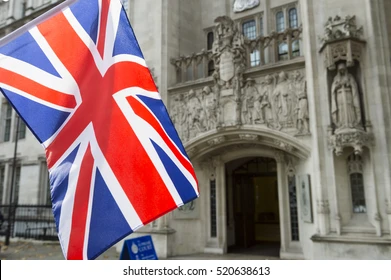
LONDON — Three men have appeared in a UK court on charges of planning attacks against critics of Pakistan’s government, marking a high-profile case that has drawn attention from both domestic and international observers. The case, heard at Westminster Magistrates’ Court on Saturday, highlights growing concerns over political extremism and the safety of diaspora communities in the United Kingdom.
The accused, whose identities are being withheld pending further proceedings, face allegations of plotting to target individuals known for their criticism of the Pakistani government. Prosecutors have claimed that the men were involved in orchestrating a series of threats and were in communication with external groups that seek to intimidate political dissenters abroad. The alleged plot is said to involve sophisticated planning, including surveillance of the targets and attempts to acquire materials that could be used in attacks.
During the hearing, the court was presented with evidence indicating that the suspects had engaged in online communications that suggested a coordinated effort to harm the intended targets. Prosecutors emphasized the potential risk to the safety of individuals who are critical of the Pakistani government while residing in the UK. “This is a serious matter with both national and international implications. The safety of those exercising their right to free expression is paramount,” the lead prosecutor stated.
The accused have pleaded not guilty to all charges. Magistrates have remanded them in custody, and the case is expected to progress to the Crown Court for a more detailed examination of the evidence. Legal experts note that this case may set a precedent in addressing transnational threats and political violence targeting diaspora communities in the UK.
The trial has prompted reactions from various political and civil society groups. Rights organizations have called for heightened security measures to protect those at risk, stressing the importance of safeguarding freedom of speech. Some analysts have expressed concern that similar plots could go undetected without robust law enforcement cooperation and intelligence-sharing with international partners.
This case also raises questions about the influence of foreign political dynamics on domestic security in the UK. With a large and active Pakistani community, authorities have emphasized the need for vigilance against potential extremist actions that could disrupt social cohesion. Officials from the Metropolitan Police have stated that the investigation into the alleged plot was conducted in collaboration with national security agencies and underscores the importance of proactive measures to prevent politically motivated attacks.
The UK government has reiterated its commitment to protecting residents from threats, irrespective of nationality or political affiliation. “We will not tolerate any attempt to intimidate or harm individuals based on their beliefs or political opinions,” a spokesperson from the Home Office said. The authorities have also encouraged communities to report suspicious activities and to engage with law enforcement if they feel threatened.
Legal analysts predict that the case could take several months to unfold fully, given the complexity of the allegations and the international connections involved. The defense team is expected to challenge the credibility of the evidence, particularly the interpretation of online communications and alleged contacts with foreign actors.
This court case has captured public attention for its potential implications on security, political activism, and freedom of expression in the UK. Observers note that the outcome could influence future strategies for handling similar transnational threats and reinforce the importance of community engagement in countering extremism.
As the legal proceedings continue, the focus remains on ensuring a fair trial while maintaining public safety. The case serves as a reminder of the ongoing challenges posed by politically motivated threats and the delicate balance between national security and civil liberties in modern Britain.