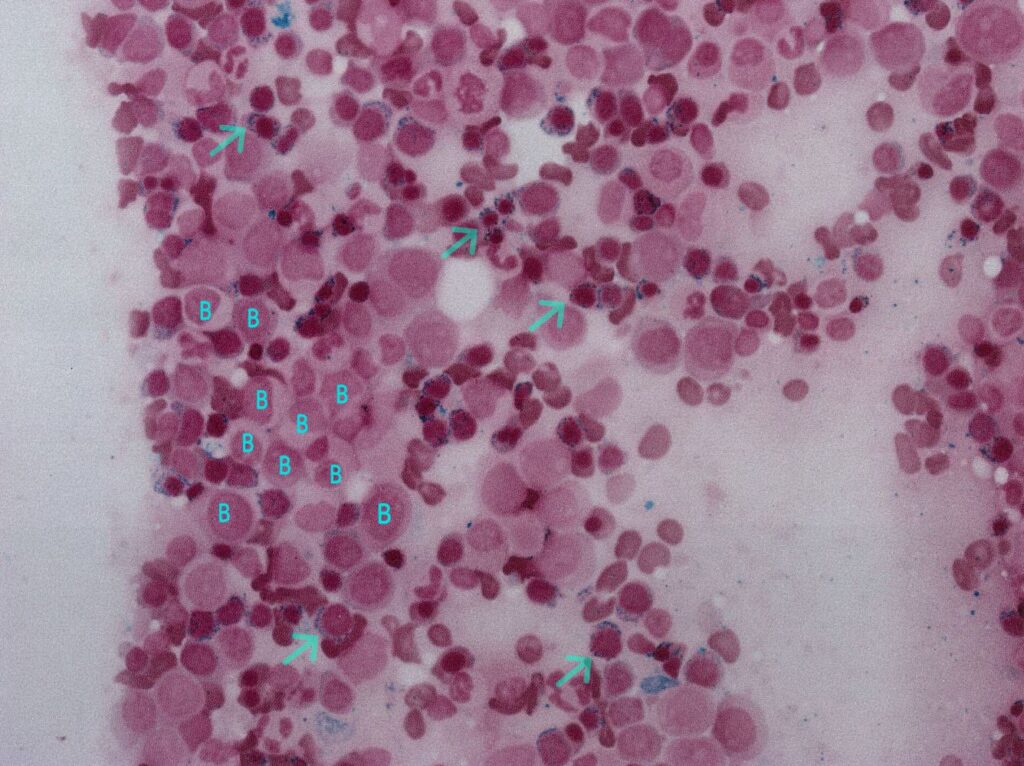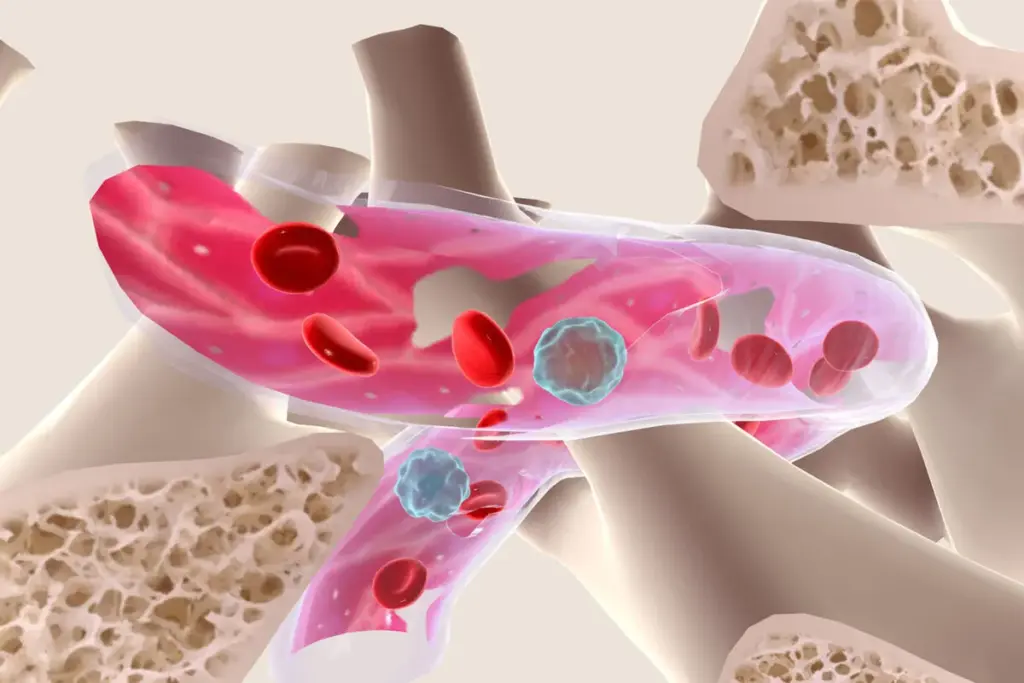
Myelodysplastic Syndrome (MDS) is a group of complex bone marrow disorders that affect the body’s ability to produce healthy blood cells. Over time, MDS can lead to serious complications such as anemia, infections, bleeding disorders, and in some cases, progression to acute leukemia. For selected patients, stem cell transplantation offers a potentially curative treatment option. Understanding the conditions and indications for stem cell therapy in MDS is essential for timely decision-making and improved outcomes.
At advanced medical centers like Liv Hospital, stem cell transplantation is considered as part of a personalized treatment plan based on disease severity, patient health, and long-term prognosis.
Understanding Myelodysplastic Syndrome (MDS)
Myelodysplastic Syndrome occurs when the bone marrow produces abnormal or immature blood cells that fail to function properly. These defective cells often die early, leading to a shortage of healthy red blood cells, white blood cells, and platelets.
MDS is more commonly diagnosed in older adults, but it can affect individuals of all ages. The condition varies widely—from slow-progressing forms that are managed conservatively to aggressive subtypes requiring advanced interventions such as stem cell transplantation.
Why Stem Cell Transplantation Is Considered in MDS
Stem cell transplantation, also known as hematopoietic stem cell transplant (HSCT), is currently the only treatment with curative potential for Myelodysplastic Syndrome. The procedure replaces diseased bone marrow with healthy stem cells capable of producing normal blood cells.
However, due to its intensity and associated risks, stem cell transplantation is not suitable for every MDS patient. Careful evaluation is required to determine who may benefit most.
Conditions That May Require Stem Cell Transplantation
Stem cell therapy is typically recommended when MDS presents with high-risk features or when standard treatments fail to control disease progression. Common conditions that may indicate the need for transplantation include:
High-Risk or Advanced MDS
Patients classified as high-risk based on prognostic scoring systems often experience rapid disease progression and shorter survival. In such cases, stem cell transplantation may be advised to prevent transformation into acute leukemia.
Severe Cytopenias
When MDS causes dangerously low levels of red blood cells, white blood cells, or platelets—leading to frequent transfusions, infections, or bleeding—transplantation may be considered.
Poor Response to Conventional Therapy
Patients who do not respond adequately to supportive care, medications, or disease-modifying therapies may be evaluated for stem cell treatment.
Progression Toward Acute Myeloid Leukemia (AML)
MDS that shows signs of evolving into AML is often an indication for urgent consideration of stem cell transplantation.
Certain Genetic and Chromosomal Abnormalities
Specific cytogenetic abnormalities are associated with aggressive disease behavior. These findings may strengthen the case for early transplant intervention.
Indications for Stem Cell Transplant in MDS
Not every patient with Myelodysplastic Syndrome is a candidate for stem cell transplantation. The following indications are carefully assessed by specialists before recommending the procedure:
Patient Age and Overall Health
Younger patients or older patients in good physical condition generally tolerate transplantation better. Factors such as heart, lung, liver, and kidney function play a critical role in eligibility.
Disease Risk Classification
Risk stratification systems help determine whether the benefits of transplantation outweigh the risks. High-risk and intermediate-risk patients are more likely to be considered.
Availability of a Suitable Donor
A matched sibling donor, unrelated matched donor, or alternative donor sources are evaluated before proceeding with transplantation.
Timing of Transplant
Early referral for transplant evaluation is often recommended once high-risk features are identified, even if symptoms are still manageable.
For a more detailed overview, patients and caregivers can explore Stem Cell Myelodysplastic Syndrome Conditions and Indications to understand how these factors are assessed in a clinical setting.
Types of Stem Cell Transplants Used in MDS
Allogeneic Stem Cell Transplant
This is the most common and effective transplant approach for MDS. Healthy stem cells are obtained from a donor and infused into the patient after conditioning therapy.
Reduced-Intensity Conditioning (RIC)
For older patients or those with additional health concerns, reduced-intensity regimens may be used to lower treatment-related risks while still achieving therapeutic benefit.
Risks and Considerations
While stem cell transplantation offers the possibility of cure, it also carries potential risks, including infections, graft-versus-host disease (GVHD), and organ complications. These risks are carefully balanced against the severity of the disease and the patient’s overall prognosis.
A multidisciplinary medical team ensures that each patient receives individualized counseling, thorough pre-transplant evaluation, and close post-transplant follow-up.
Importance of Early Evaluation and Ongoing Monitoring
Early identification of transplant-eligible patients allows for better planning and improved outcomes. Regular monitoring of blood counts, bone marrow findings, and genetic markers helps guide treatment decisions throughout the disease course.
Equally important is supportive care before and after transplantation, including nutritional support, infection prevention, and emotional well-being.
Living Well During and After Treatment
Managing Myelodysplastic Syndrome goes beyond medical treatment alone. Emotional resilience, lifestyle balance, and long-term wellness play a vital role in recovery and quality of life. Patients and caregivers often benefit from trusted wellness resources that support both physical and mental health. For insights on mindful living, recovery, and holistic well-being, platforms like live and feel can offer valuable lifestyle perspectives alongside medical care.
Keep an eye for more latest news & updates on Down Uk!