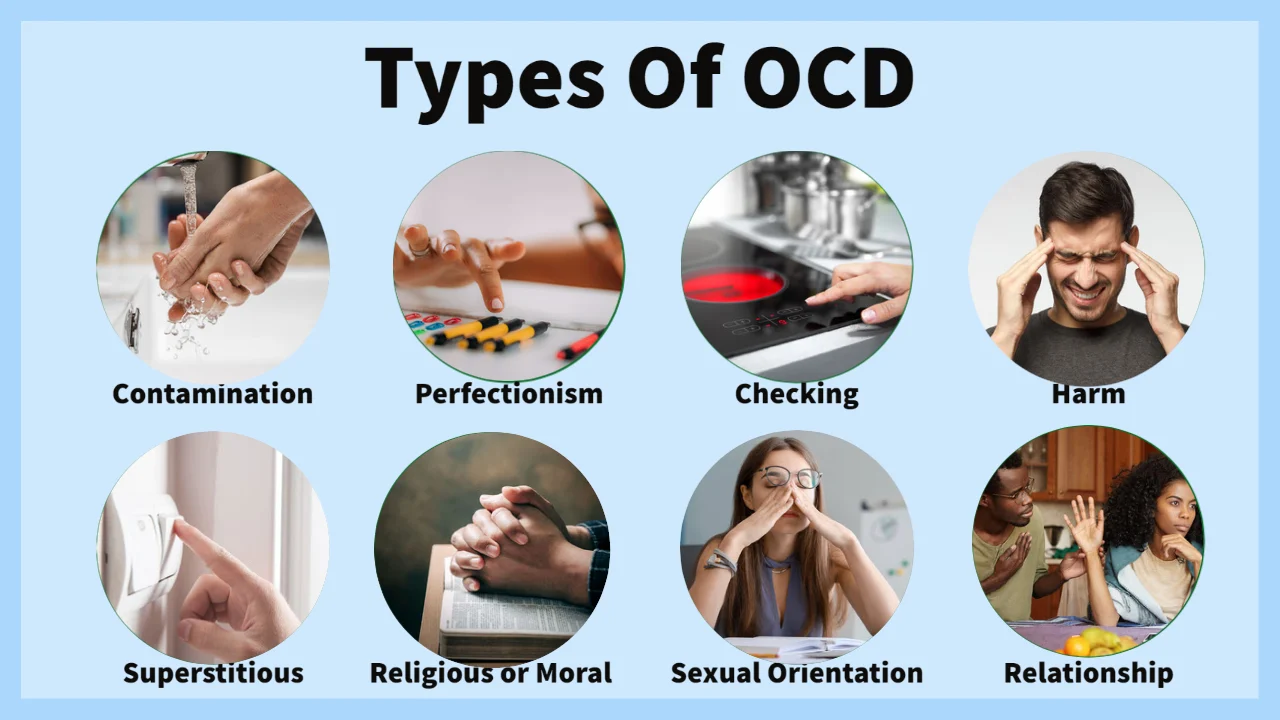
Obsessive-compulsive disorder (OCD) is a mental health condition characterized by unwanted thoughts and repetitive behaviors that can interfere with daily life. Despite its challenges, effective treatments are available that can significantly reduce symptoms and improve quality of life.
Treatment often involves a combination of psychotherapy, such as exposure and response prevention (ERP), and medication. Many people benefit from a tailored approach that addresses their unique symptoms and circumstances, allowing them to manage OCD more effectively.
Understanding the available treatment options and how they work can empower those affected to seek appropriate help and take active steps toward managing their condition.
OCD Treatment Options
Effective treatment for OCD often involves targeted therapy and medication, both backed by scientific research. These treatments address the intrusive thoughts and repetitive behaviors characteristic of OCD and improve daily functioning.
Cognitive Behavioral Therapy (CBT)
CBT focuses on identifying and changing the distorted thoughts and beliefs that fuel OCD symptoms. It helps patients develop healthier thought patterns and coping strategies.
This therapy often involves homework assignments to practice new skills outside of sessions. It addresses both the cognitive (thoughts) and behavioral (actions) aspects of the disorder.
A trained therapist guides patients through structured sessions, adapting techniques to individual needs. CBT has a strong evidence base for reducing symptom severity and improving quality of life.
Exposure and Response Prevention (ERP)
ERP is a specialized form of CBT considered the gold standard for OCD treatment. It involves systematic exposure to feared objects or thoughts without allowing the compulsive behavior.
Repeatedly facing these triggers reduces the anxiety associated with them over time. This process weakens the connection between obsession and compulsive response.
Therapists design ERP exercises tailored to the patient’s specific fears. The method requires commitment and can be challenging but consistently shows significant symptom improvement.
Medication for OCD
Selective serotonin reuptake inhibitors (SSRIs) are the primary medications prescribed for OCD. They adjust serotonin levels in the brain, which plays a role in mood and anxiety regulation.
SSRIs commonly used include fluoxetine, sertraline, and fluvoxamine. These medications can reduce the intensity of obsessions and compulsions, often in conjunction with therapy.
In some cases, other medications like clomipramine or antipsychotics are added when SSRIs alone are insufficient. Medication dosage and type are individualized based on patient response and side effects.
Supporting Recovery from OCD
Recovery from OCD involves deliberate actions and ongoing support. Effective recovery combines practical self-care, a strong social network, and strategies for handling setbacks. Each element plays a crucial role in managing symptoms and maintaining progress.
Self-Help Strategies
Individuals benefit from structured self-help activities alongside professional treatment. Exposure and Response Prevention (ERP) exercises can be practiced with guidance to reinforce coping skills. Regular mindfulness or relaxation techniques help reduce anxiety linked to intrusive thoughts.
Creating a daily routine enhances stability and reduces unpredictability, which often triggers OCD symptoms. Tracking symptoms and progress encourages awareness and motivation. Educational resources and support groups also provide useful tools without replacing therapy.
Family and Social Support
Family and friends are integral in the recovery process. They can learn about OCD to reduce misunderstandings and offer empathetic support without enabling compulsions. Open communication helps patients feel understood and less isolated.
Encouraging participation in social activities fosters connection and distracts from obsessive thoughts. Support networks also provide accountability for adhering to treatment plans, which improves outcomes. Educating loved ones about relapse signs increases preparedness.
Managing Relapse
Relapse is common in OCD treatment and requires a proactive approach. Recognizing early warning signs, such as increased anxiety or ritualistic behavior, allows for timely intervention. Revisiting ERP therapy or consulting a clinician at these stages prevents worsening symptoms.
Developing a personalized relapse prevention plan, including stress management and identifying triggers, is essential. Consistent medication adherence and therapy sessions support sustained control over symptoms. Adjusting treatment as needed reflects the condition’s changing nature.
Keep an eye for more latest news & updates on Down UK!