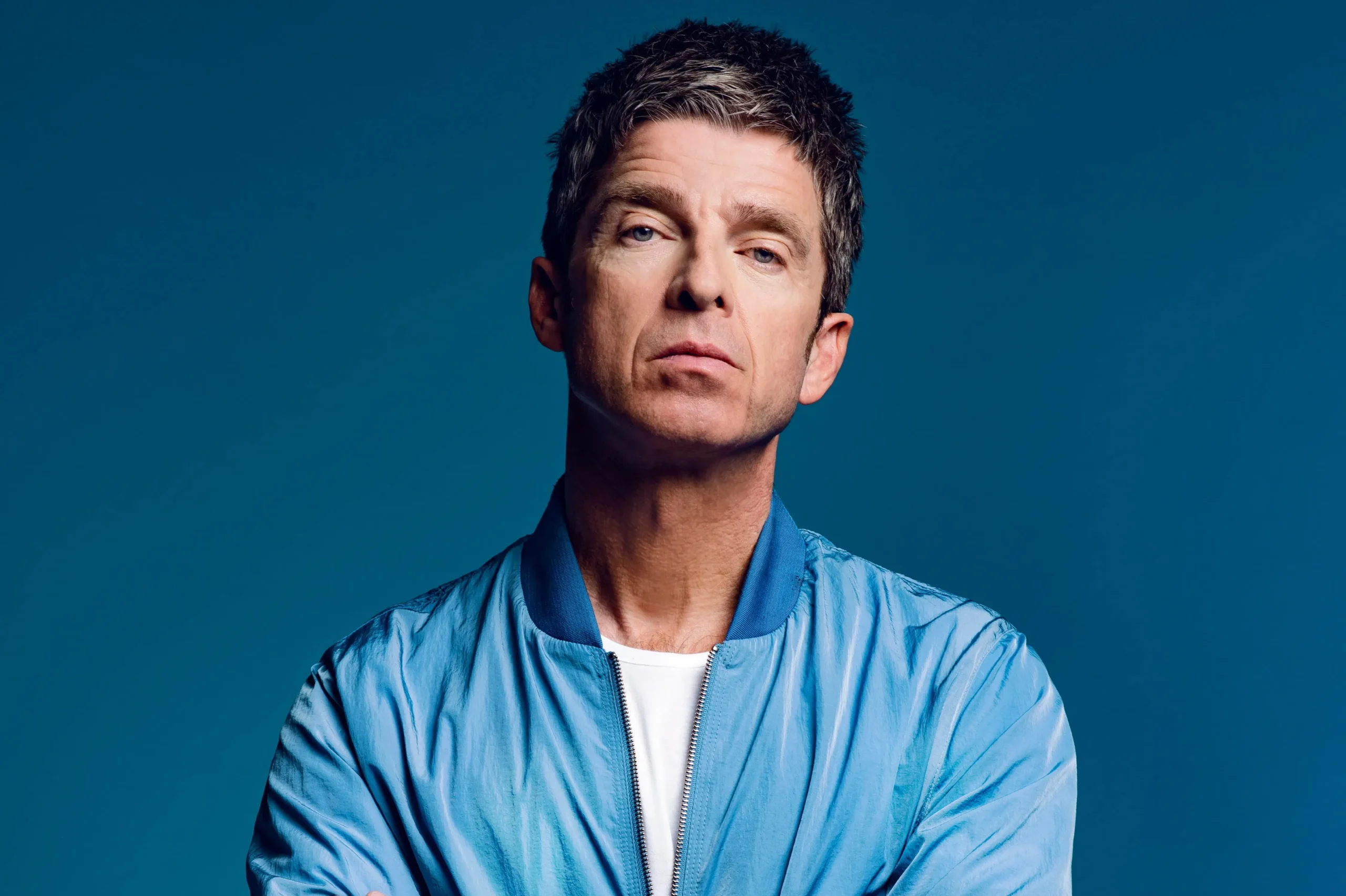
Monday, 9 February 2026 – LONDON, England In a move that has sent ripples through the music industry, veteran songwriter Noel Gallagher was named Songwriter of the Year at this year’s major British music awards, despite not having released any new material in the past year. The decision has ignited discussion among artists, critics, and fans about what constitutes artistic achievement and how recognition reflects creativity versus legacy.
Gallagher, best known for his work with the iconic rock band Oasis and his subsequent solo career, accepted the award with characteristic humility, thanking his collaborators, family, and the “community of musicians who inspire me every day.”
A Legacy Honoured, or a Misplaced Accolade?
The award, traditionally given to recognize outstanding songwriting contributions over the eligibility period, surprised many observers because Gallagher’s most recent releases predate the last award cycle. In accepting the honour, Gallagher acknowledged this context, saying, “I’m deeply thankful to be recognised, even in a year without new records. Music lives beyond release dates; it lives in people’s hearts.”
Yet, reaction across social media and industry forums was mixed. Some fans celebrated the recognition of Gallagher’s enduring influence, arguing that his body of work continues to shape contemporary music and inspire new generations of songwriters. “Long overdue,” one fan tweeted. “His songs are timeless.”
Others, however, questioned the criteria used by the awards panel, suggesting that emerging songwriters with new work were overlooked in favour of a well‑established name. “It feels like a nod to nostalgia rather than the realities of today’s songwriting landscape,” commented one music blogger.
Industry Voices Weigh In
Several industry figures offered their perspectives on the decision. A prominent record producer described Gallagher as “a foundational voice in British rock,” whose catalogue has contributed to the cultural fabric of modern music. “Awards aren’t always just about the last 12 months,” the producer said. “Sometimes they acknowledge impact that can’t be measured by charts alone.”
By contrast, a contemporary artist nominated in another category expressed disappointment that the spotlight did not extend to newer voices pushing creative boundaries. “We all respect what Noel has done,” the artist said, “but it’s important that awards also highlight innovation and fresh songwriting talent.”
Debate Over Award Criteria and Cultural Impact
The awarding body defended its choice, explaining that the Songwriter of the Year category is evaluated on a combination of factors, including influence, artistic contribution, and broader cultural resonance. According to officials, the panel considered Gallagher’s songbook as a whole, alongside the enduring popularity of compositions that continue to be performed, streamed, and reinterpreted globally.
Music analysts pointed out that Gallagher’s songs, particularly from the 1990s and early 2000s, remain mainstays on radio playlists and continue to generate significant streaming numbers, indicating sustained audience engagement. “This isn’t just legacy sentiment,” said a chart analyst. “There’s quantitative evidence that his music still connects.”
Audience Perspectives and Legacy Conversations
Among fans at the awards ceremony, opinions were similarly divided but passionate. Some praised the recognition as a celebration of British musical heritage, while others saw it as a missed opportunity to champion rising talent.
“I get it — he deserves respect,” said one attendee. “But there’s so much creativity out there that needs a platform.”
Another fan noted that awards often reflect broader cultural conversations about history, influence, and how success is defined. “It’s not just about new releases,” he said. “It’s about lasting contribution.”
Looking Ahead: What This Means for Music Recognition
The debate surrounding Gallagher’s award highlights ongoing tensions in music recognition: how to balance respect for established artists with encouragement for innovation, and how award systems should evolve with changing listening habits and creative landscapes.
For Gallagher himself, the honour adds another chapter to a distinguished career that has spanned decades and touched millions. Whether the decision will prompt revisions in award criteria or spark broader industry reflection remains to be seen.
But one thing is clear: the conversation around artistic merit, legacy, and recognition is far from over — and it may be one of the most meaningful conversations in music today.