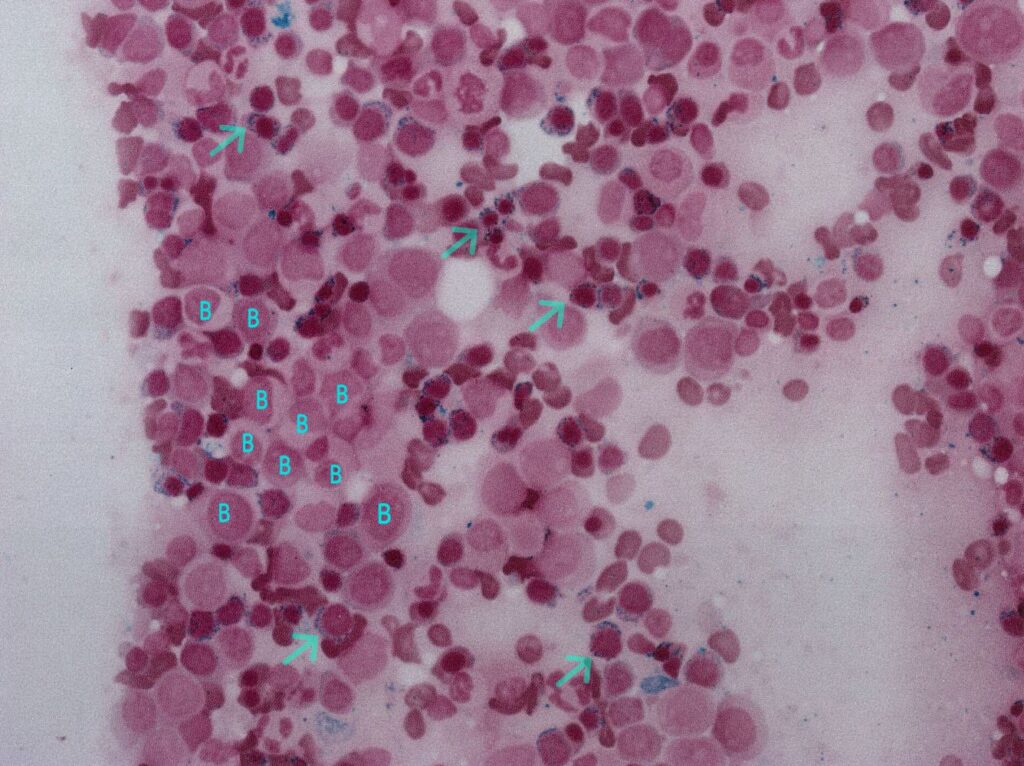
Myelodysplastic Syndrome (MDS) is a group of bone marrow disorders in which the body does not produce enough healthy blood cells. Over time, this condition can lead to anemia, frequent infections, bleeding issues, and in some cases progression to acute leukemia. Advances in medical science have made stem cell–based therapies one of the most effective treatment approaches for eligible patients. Understanding how stem cell treatment works and what procedures are involved can help patients and families make informed decisions.
At advanced medical centers such as Liv Hospital, stem cell therapies for MDS are delivered using internationally accepted protocols, advanced diagnostics, and multidisciplinary care teams to ensure optimal outcomes.
Understanding Myelodysplastic Syndrome and Treatment Goals
Myelodysplastic Syndrome occurs when the bone marrow produces immature or defective blood cells that fail to function properly. The primary goals of MDS treatment include:
- Improving blood cell production
- Reducing dependency on blood transfusions
- Preventing disease progression
- Achieving long-term remission or cure in eligible patients
Treatment plans are highly individualized and depend on factors such as disease severity, genetic markers, patient age, and overall health status.
Role of Stem Cell Therapy in Myelodysplastic Syndrome
Stem cell transplantation, also known as hematopoietic stem cell transplant, is currently the only treatment with curative potential for many patients with Myelodysplastic Syndrome. This therapy works by replacing the diseased bone marrow with healthy stem cells capable of producing normal blood cells.
Stem cell treatment is typically recommended for patients with intermediate- to high-risk MDS or those who have not responded adequately to conventional therapies.
Types of Stem Cell Transplant Used in MDS
Allogeneic Stem Cell Transplant
This is the most common and effective transplant option for MDS. Healthy stem cells are obtained from a compatible donor, often a sibling or a matched unrelated donor. The donor cells help restore normal bone marrow function and may also attack residual abnormal cells through a graft-versus-disease effect.
Autologous Stem Cell Transplant
In rare and selected cases, a patient’s own stem cells may be used. However, this approach is less common in MDS due to the risk of reintroducing abnormal cells.
Pre-Treatment Evaluation and Preparation
Before undergoing stem cell therapy, patients go through a comprehensive evaluation process, which includes:
- Detailed blood tests and bone marrow examination
- Genetic and molecular testing
- Cardiac, lung, liver, and kidney function assessments
- Donor matching and compatibility testing
This evaluation ensures that the patient is medically fit for the procedure and helps minimize treatment-related risks.
Conditioning Therapy Before Transplant
Conditioning therapy is administered prior to stem cell infusion and may include chemotherapy or radiation therapy. Its purpose is to:
- Destroy diseased bone marrow cells
- Suppress the immune system to prevent rejection
- Create space for new stem cells to grow
The intensity of conditioning varies depending on patient age, disease stage, and overall health.
Stem Cell Transplant Procedure
The transplant itself is a carefully monitored process:
- Stem Cell Collection: Healthy stem cells are collected from the donor’s blood or bone marrow.
- Stem Cell Infusion: The stem cells are infused intravenously, similar to a blood transfusion.
- Engraftment Phase: Over the next few weeks, the transplanted stem cells migrate to the bone marrow and begin producing new blood cells.
Patients are closely monitored during this period for infections, bleeding, or transplant-related complications.
For a detailed overview of clinical protocols and advanced care pathways, visit Stem Cell Myelodysplastic Syndrome Treatment and Procedures.
Post-Transplant Care and Monitoring
Recovery after stem cell therapy requires long-term follow-up and supportive care. Post-treatment monitoring focuses on:
- Preventing and managing infections
- Detecting graft-versus-host disease (GVHD)
- Monitoring blood counts and organ function
- Supporting immune system recovery
Patients may need medications, lifestyle adjustments, and periodic assessments to ensure stable recovery and long-term success.
Benefits and Risks of Stem Cell Treatment for MDS
Potential Benefits
- Long-term remission or cure
- Improved quality of life
- Reduced transfusion dependency
Possible Risks
- Infection due to weakened immunity
- Graft-versus-host disease
- Organ-related complications
A specialized care team plays a critical role in balancing these risks and benefits for each patient.
Living Well During and After Treatment
Successful treatment of Myelodysplastic Syndrome goes beyond medical procedures. Emotional well-being, nutrition, physical activity, and mental health support are essential parts of recovery. Patients are encouraged to adopt healthy habits and stay informed about long-term wellness strategies. Resources focused on balanced living and holistic health, such as live and feel, can offer helpful insights into maintaining physical and emotional well-being during the recovery journey.
Keep an eye for more latest news & updates on Down Uk!