Tuesday, 10 February 2026 — London Communities across the United Kingdom are bracing for an extended period of wet weather as the Met Office issued fresh warnings that heavy rain and potential flooding could continue for up to 10 more days, in what forecasters say may be one of the wettest months in years.
Weather officials have said that no significant dry spell is expected in the near future, increasing the risk of river flooding, travel disruption and impacts on homes and businesses already contending with saturated ground and swollen waterways.
The yellow weather warnings — the Met Office’s standard alert level — remain in place for large swathes of southern England, Wales, and parts of the Midlands. Residents in coastal and low‑lying regions have been advised to prepare for persistent rain, while those in higher ground may see heavy showers and localized surface water flooding.
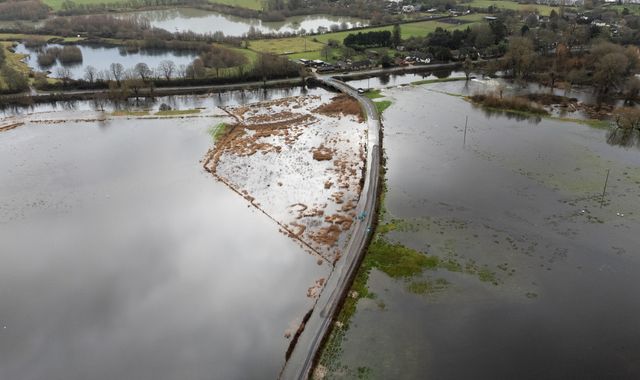
According to the latest forecasts, bands of rain and showers are expected to sweep east across large parts of England and Wales throughout the week, with rainfall amounts ranging from 10 to 30 millimetres in many areas. The Environment Agency has reported rising river levels, leading to a significant number of flood warnings and alerts.
Local authorities have mobilised resources to assist vulnerable communities, placing sandbags in key locations and issuing guidance on flood safety. In some communities in the southwest and along major river corridors, water levels have already reached thresholds that warrant close monitoring.
The ongoing wet weather follows a period of near‑continuous rainfall across the UK, with several regions recording rainfall every day this year. Meteorologists say that the unusually persistent conditions are linked to a series of low‑pressure systems moving across the Atlantic, bringing moist air and unstable weather to the British Isles.
For many households and businesses, the cumulative effect of the rain is being keenly felt. Farmers have reported waterlogged fields, delaying spring planting, while commuters are facing longer journey times as flooding affects roads and rail services.
Transport officials have highlighted several road closures and service disruptions, particularly in rural and flood‑prone areas. Drivers are being urged to exercise caution and to avoid attempting to cross flooded roads, a hazard that has claimed lives in past events when water depth was underestimated.
The public has also been reminded of the risks of aquaplaning and hydroplaning during heavy rain, as well as the increased chance of power interruptions in affected areas.
Emergency services and local councils have been coordinating with the Met Office and the Environment Agency to monitor conditions and provide timely warnings. A spokesperson for one council said, “Our teams are working around the clock to support residents, inspect flood defences and provide up‑to‑date information.”
With further rainfall forecast and soil already saturated from repeated storms, there is concern that even moderate downpours could lead to rapid rises in river levels and localized flooding. Authorities have stressed the importance of preparedness, urging residents to review flood plans and stay informed through official channels.