LONDON, 26 January 2026 — Parliament returned this week with an agenda packed with legislative scrutiny, high‑profile debates and committee hearings, as the House of Commons and House of Lords pick up business for the week beginning 26 January.
In the Commons, MPs are scheduled to tackle a wide range of government priorities — with the day set to open with questions to the Secretary of State for Work and Pensions, and subsequent debate on flagship bills. Among the key pieces of legislation lined up are the Armed Forces Bill, which seeks to renew legal frameworks for defence operations, and measures designed to streamline medical training pathways for UK graduates.
The Commons session, officially scheduled from 2.30 pm today, includes debate on issues spanning public services, regional funding, and regulatory reform. MPs will also hear statements and respond to urgent questions from the floor, offering an early test of parliamentary dynamics as the government advances its agenda in the early part of the year.
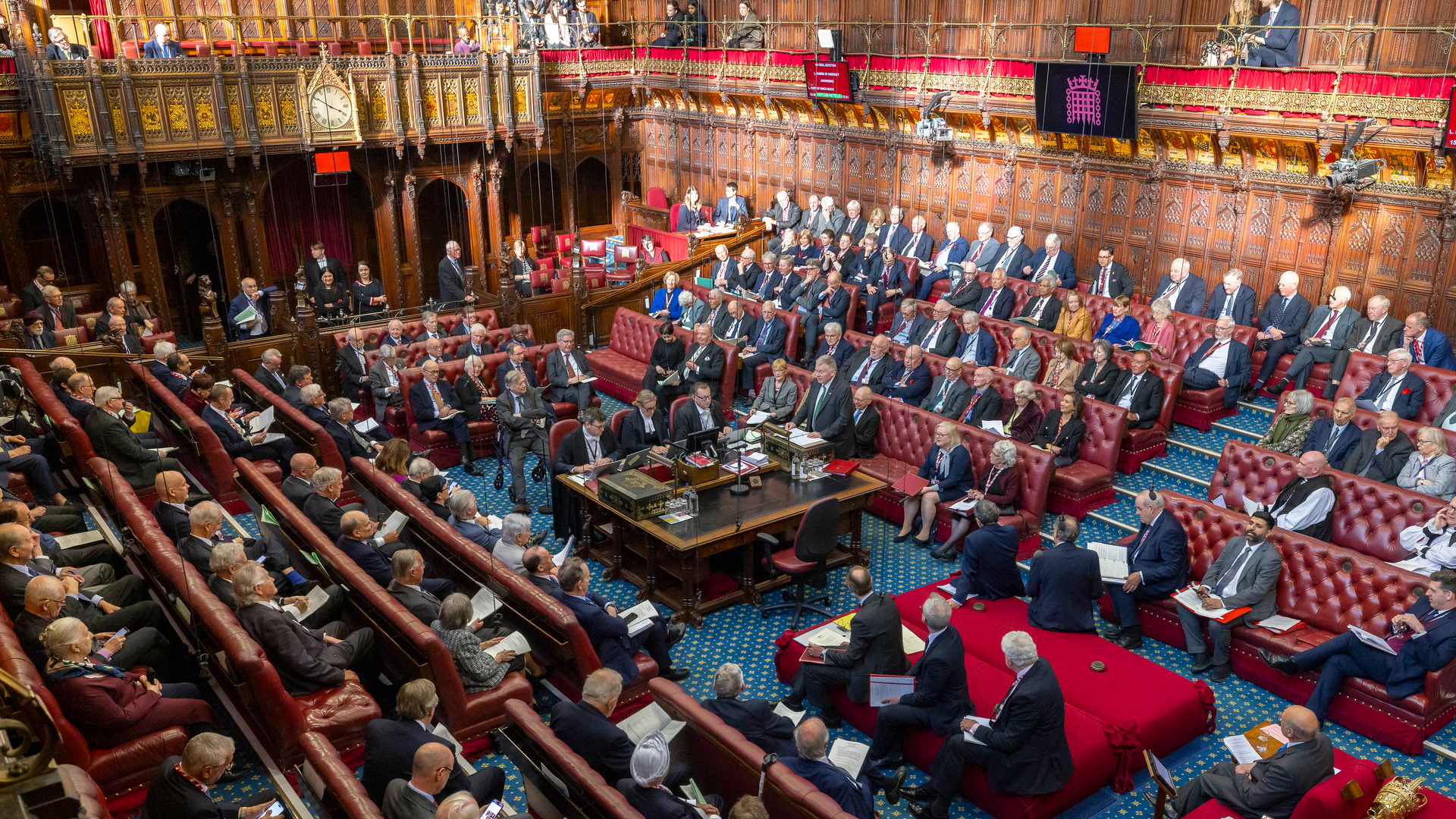
Meanwhile, the House of Lords will be busy with line‑by‑line scrutiny of several high‑profile bills, including the Pension Schemes Bill, Crime and Policing Bill, and the English Devolution and Community Empowerment Bill. Peers will also continue in‑depth consideration of the Children’s Wellbeing and Schools Bill, which aims to address educational outcomes across the UK.
In addition to legislative business, Lords members will participate in debates marking Holocaust Memorial Day on Tuesday — a national commemoration observed annually that honours victims of the Holocaust and other genocides, reinforcing the UK’s commitment to remembrance and education.
Select committee activity forms another crucial strand of parliamentary work this week. MPs are expected to hear evidence on the financial reporting challenges facing small government bodies — highlighting broader concerns about transparency and accountability in public sector spending — and other expert testimony on key policy areas.
Elsewhere, the Commons agenda includes scrutiny of statements from senior Cabinet members, ensuring that ministers remain accountable to Parliament. Debates on UK economic strategy, energy costs, and international trade sectors are also on the radar, reflecting the government’s broader legislative priorities as it navigates domestic challenges and external pressures.
Political analysts say the range of issues before Parliament this week illustrates the balancing act facing lawmakers: advancing the government’s legislative programme, responding to public concerns on social and economic policy, and maintaining oversight through robust committee inquiry and debate.
As the week unfolds, developments are likely to draw close public and media attention, particularly as debates touch on areas with tangible impacts on everyday life, from security and education to economic growth.
In both Houses, members will be closely watched by observers and constituents alike, with updates available through parliamentary livestreams and official publications.