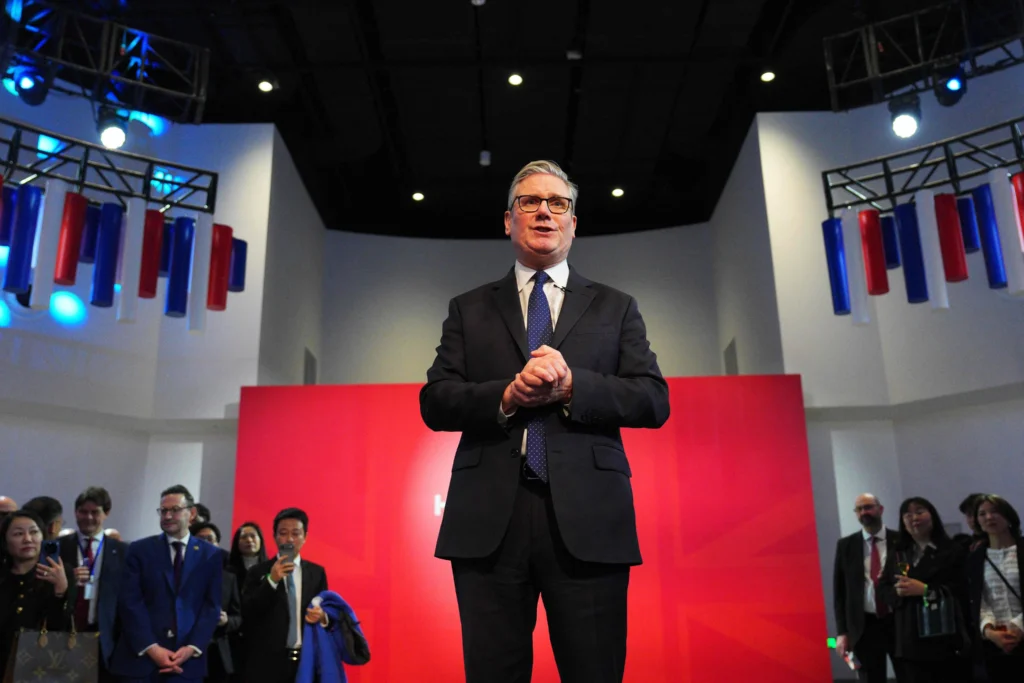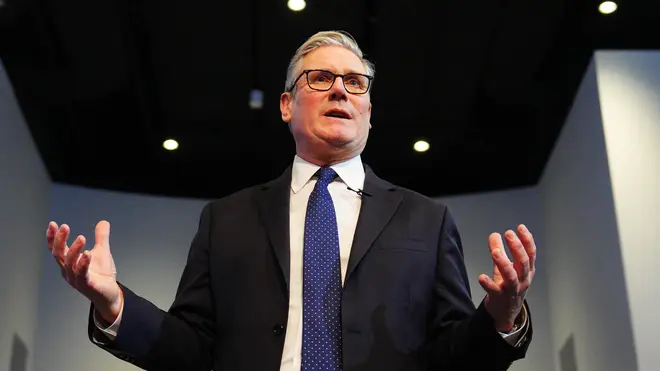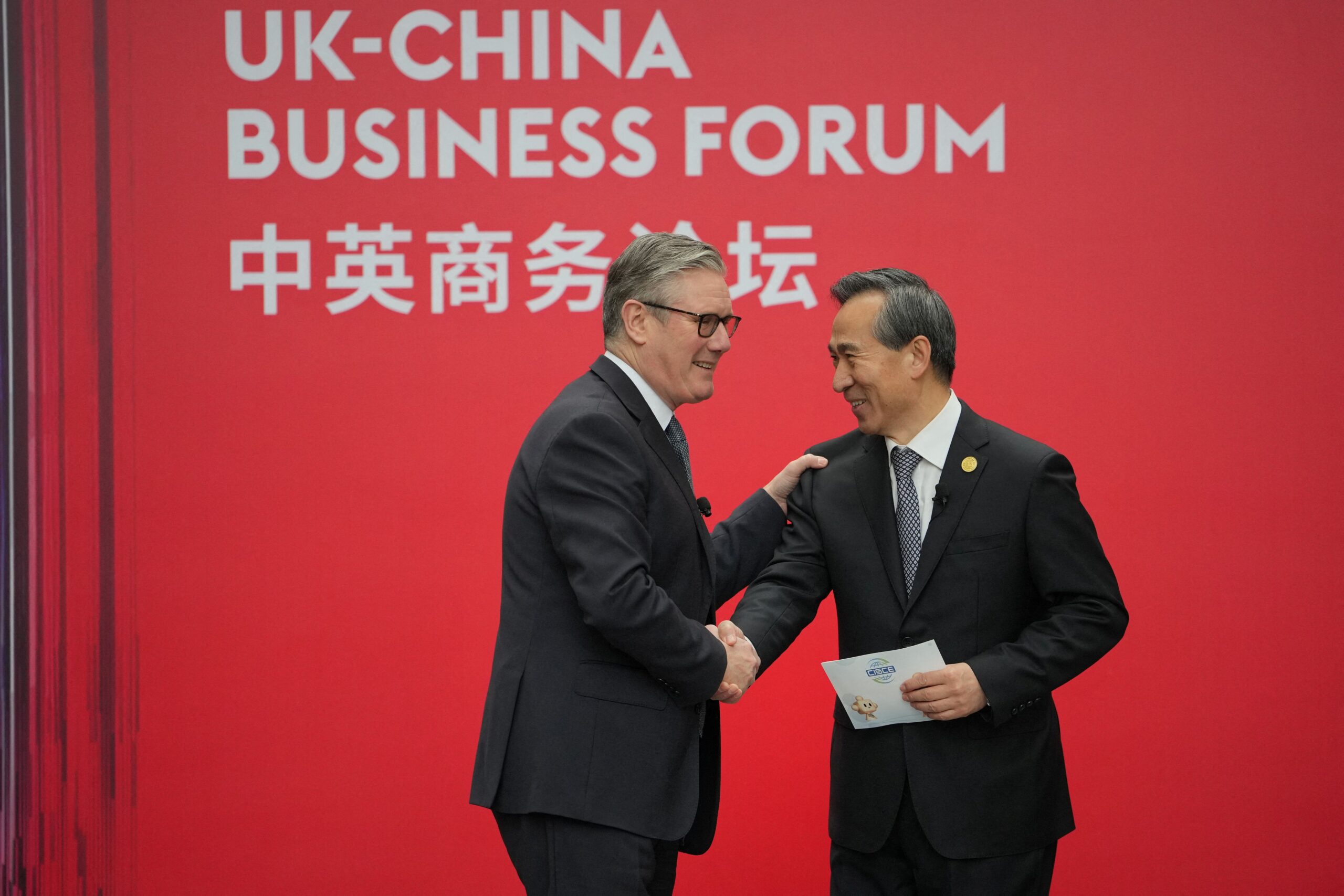
LONDON, Jan. 31, 2026 — Prime Minister Keir Starmer has dismissed concerns that Britain’s renewed diplomatic engagement with China could strain relations with the United States, after former US President Donald Trump publicly criticised London’s approach to Beijing.
Trump, speaking at a campaign rally in the United States earlier this week, warned allies against “getting too comfortable” with China, suggesting that economic partnerships could weaken Western leverage.
Asked about the remarks during a visit to the Midlands on Friday, Starmer said Britain would “always act in its national interest” while maintaining its “unshakeable” alliance with Washington.
“The United States remains our closest strategic partner,” Starmer said. “But we are also a sovereign country. Engaging with China on trade and global challenges does not undermine our values or our alliances.”
The exchange underscores the delicate balancing act facing the British government as it navigates relations between two global powers locked in economic and strategic rivalry.
Downing Street officials stressed that recent talks with Beijing focused on economic stability, climate commitments and maintaining open lines of communication. They rejected suggestions that Britain was drifting away from US policy positions.
Senior UK diplomats say coordination with Washington remains strong on security matters, particularly in NATO and Indo-Pacific strategy. Britain continues to support joint naval exercises and intelligence sharing initiatives.
However, business leaders have urged the government to avoid policies that unnecessarily restrict trade. China represents a major export market for British education, pharmaceuticals and green technologies.
Economic analysts say Britain’s approach reflects broader European thinking — reducing dependency in sensitive sectors while avoiding full economic decoupling.
In Washington, US officials have not formally criticised Britain’s recent diplomacy. Analysts say Trump’s remarks were likely aimed at a domestic audience rather than signaling immediate policy change.
Political observers note that transatlantic relations have weathered disagreements before, from climate policy to trade tariffs.
Opposition politicians in the UK accused the government of sending mixed signals. Some Conservatives argued that stronger alignment with the US would offer greater strategic clarity. Others suggested the government was right to pursue economic pragmatism.
Public opinion polls show British voters broadly support maintaining strong US ties while also favoring stable economic relations with China.
Diplomacy experts caution against framing the situation as a zero-sum choice. “Middle powers like the UK must manage complexity,” said one foreign policy scholar. “It’s not about choosing sides; it’s about protecting interests.”
For now, officials insist the so-called tension is overstated. “The UK and US relationship is built on decades of cooperation,” a government spokesperson said. “It is resilient.”
The coming months will test whether rhetoric evolves into policy friction. But for now, London appears determined to pursue a dual-track strategy — maintaining its Atlantic partnership while cautiously engaging Beijing.