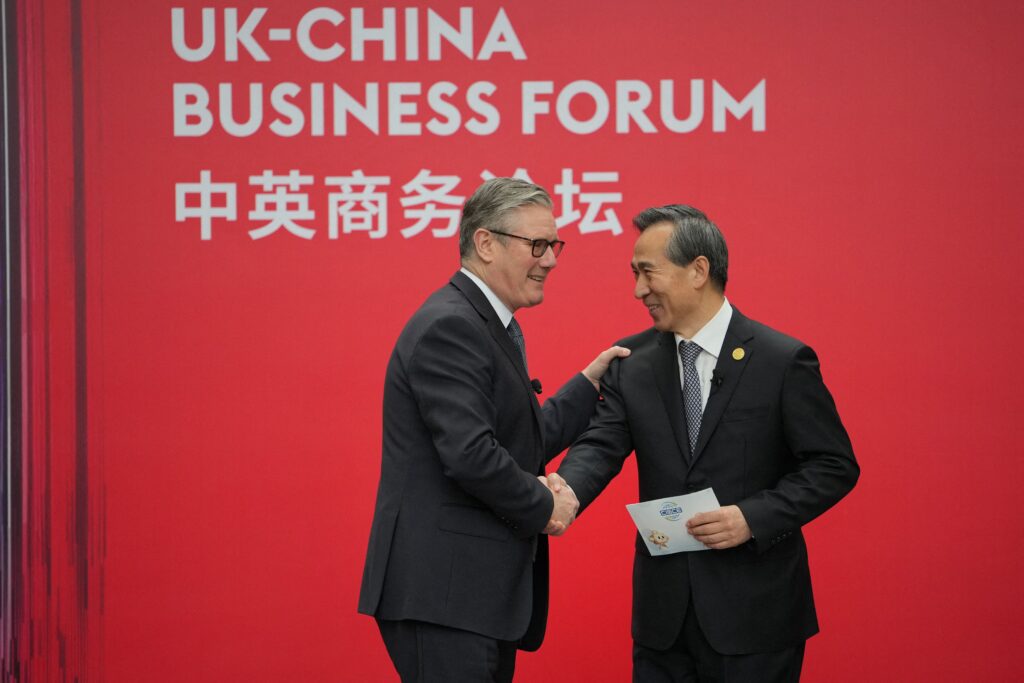
BEIJING / LONDON, Jan. 31, 2026 — China has formally lifted sanctions imposed on a group of British lawmakers and peers, marking a significant diplomatic development following high-level talks between UK Prime Minister Keir Starmer and Chinese President Xi Jinping in Beijing this week.
The sanctions, originally introduced in 2021, had barred several UK parliamentarians from entering China and conducting business with Chinese institutions. The measures were widely viewed in Westminster as retaliation for British criticism of Beijing’s human rights record, particularly regarding Xinjiang and Hong Kong.
Speaking after his meeting with President Xi, Starmer described the decision as “a constructive step forward” in rebuilding what he called a “stable and pragmatic relationship” between the two countries.
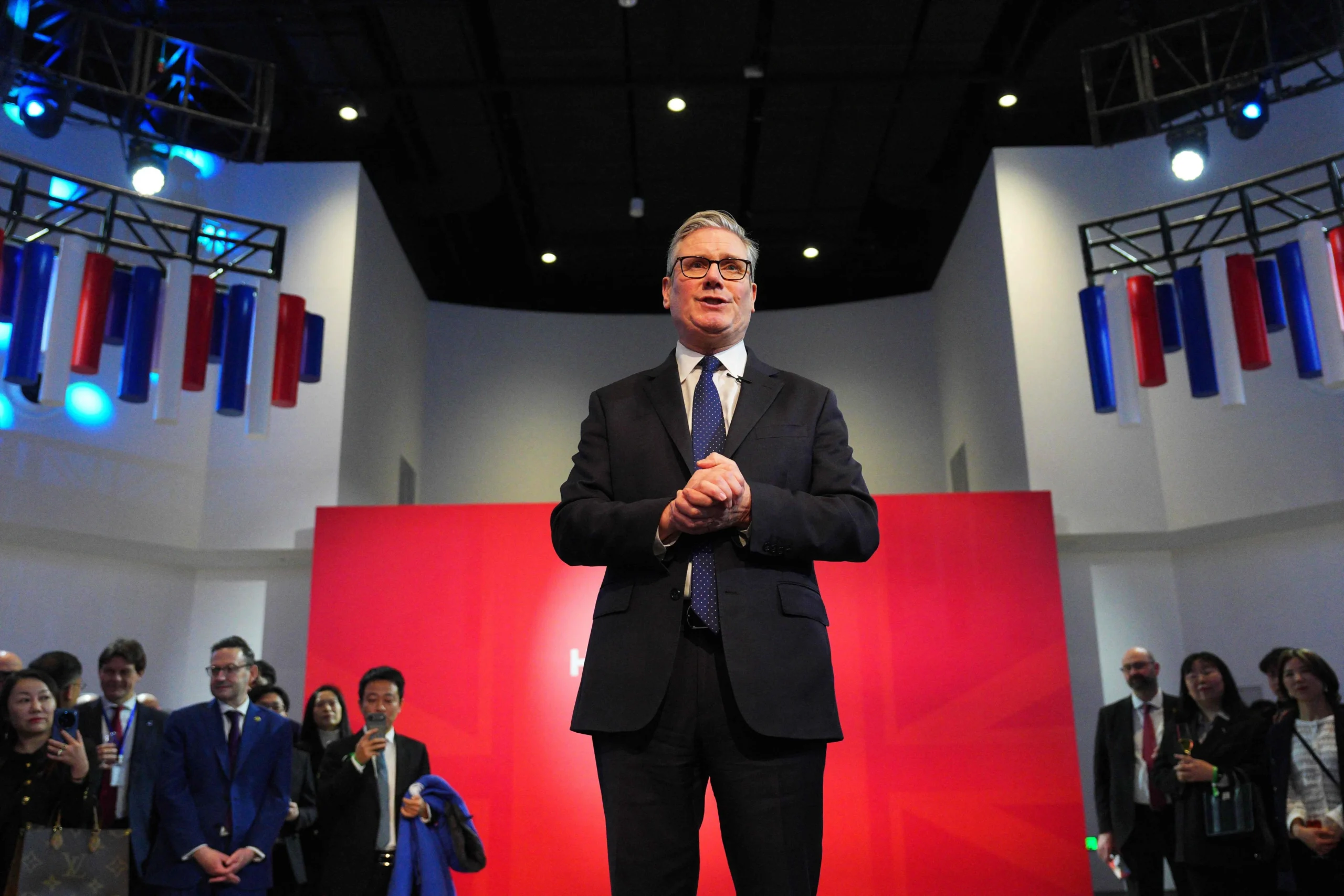
“This is about dialogue,” Starmer said during a press briefing in Beijing. “We will always stand firm on our values, including human rights and international law. But engagement, not isolation, is how responsible nations manage differences.”
The removal of sanctions follows months of quiet diplomatic engagement between London and Beijing. Officials familiar with the talks say discussions covered trade, climate cooperation, global security and academic exchanges, alongside more contentious political issues.
China’s foreign ministry confirmed the lifting of restrictions but emphasised that “mutual respect” remains central to bilateral relations. In a statement, Beijing said both sides had agreed to “reset communication mechanisms” and pursue cooperation in areas of shared interest.
The move is being closely watched in Washington, where US officials have previously urged allies to maintain a firm stance toward China over technology security and strategic influence. The UK government has sought to strike a balance — maintaining trade ties while tightening national security measures, particularly in critical infrastructure and telecommunications.
In Parliament, reaction to the development was mixed. Some Conservative MPs welcomed the decision, calling it a diplomatic win that could open new trade pathways for British businesses. Others cautioned that lifting sanctions should not dilute scrutiny of China’s domestic policies.
Labour officials stressed that the UK’s position on human rights remains unchanged. “Dialogue does not mean endorsement,” one senior government aide said. “It means responsibility.”
Trade analysts note that China remains one of the UK’s largest trading partners outside Europe. British exports in education, finance and green technology are areas the government hopes to expand, especially as the UK seeks post-Brexit economic growth opportunities.
Meanwhile, human rights groups urged caution. Advocacy organisations said they would monitor whether the diplomatic thaw translates into meaningful engagement on issues such as political freedoms and minority rights.
Diplomatic observers describe the development as a pragmatic recalibration rather than a fundamental shift. The UK continues to participate in security alliances such as AUKUS and maintains close coordination with the United States on Indo-Pacific policy.
However, officials on both sides acknowledged that global challenges — from climate change to economic stability — require communication between major powers.
The lifting of sanctions also clears the way for previously barred lawmakers to travel to China for official visits. Several MPs said they would welcome the opportunity to engage directly with Chinese counterparts.
The long-term trajectory of UK-China relations remains uncertain, shaped by broader geopolitical tensions. Yet Saturday’s announcement signals a willingness, at least for now, to lower the temperature.
As one diplomatic source put it, “This is diplomacy returning to the table.”