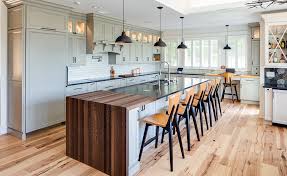
Making your home more energy-efficient is one of the smartest long-term investments you can make. It not only reduces monthly utility bills but also improves comfort, increases property value, and helps the environment. The good news is that energy efficiency doesn’t always require expensive renovations—many improvements are affordable, practical, and easy to implement.
In this detailed guide, you’ll discover powerful energy-efficient home improvement ideas that save money while making your living space more sustainable and modern.
Why Energy Efficiency Matters in Modern Homes
Energy efficiency is no longer just a trend—it has become a necessity. Rising electricity prices, climate concerns, and increasing energy demands make it important for homeowners to find smarter ways to consume power.
When your home is energy efficient, it:
- Reduces electricity and gas bills
- Keeps indoor temperatures stable
- Minimizes waste of resources
- Improves appliance performance
- Reduces carbon footprint
- Increases home resale value
Even small upgrades can lead to noticeable savings over time. The key is consistency and smart planning.
1. Upgrade to LED Lighting
One of the simplest and most effective improvements is switching from traditional bulbs to LED lighting. LED bulbs use significantly less electricity and last much longer than incandescent or CFL bulbs.
Benefits:
- Uses up to 80% less energy
- Lasts 10–25 times longer
- Produces less heat
- Available in various brightness levels
Money-saving tip:
Replace high-use areas first, such as living rooms, kitchens, and outdoor lights. Over time, convert the entire house.
2. Improve Home Insulation
Poor insulation is one of the biggest causes of energy loss. In winter, heat escapes; in summer, cool air leaks out. Proper insulation helps maintain a stable indoor temperature.
Key areas to insulate:
- Roof and attic
- Walls
- Floors
- Basement (if applicable)
Why it saves money:
Good insulation reduces the need for heating and cooling systems, which are among the biggest energy consumers in any home.
3. Install Energy-Efficient Windows
Old or single-pane windows allow air leakage, forcing your HVAC system to work harder. Energy-efficient windows solve this problem.
Options include:
- Double-glazed windows
- Low-E glass windows
- Window sealing films
Advantages:
- Reduces heat loss in winter
- Blocks excessive heat in summer
- Improves noise reduction
- Enhances home aesthetics
Although the initial cost is higher, savings on energy bills make it worthwhile in the long run.
4. Use Smart Thermostats
Smart thermostats automatically adjust indoor temperature based on your habits and preferences. They eliminate unnecessary energy usage when you are asleep or away.
Features:
- Remote control via smartphone
- Learning temperature patterns
- Energy usage reports
- Automated scheduling
Savings impact:
A smart thermostat can reduce heating and cooling bills significantly by optimizing energy usage without sacrificing comfort.
5. Switch to Energy-Efficient Appliances
Older appliances consume much more electricity compared to modern energy-efficient models. Upgrading appliances can significantly reduce long-term energy costs.
Replace or upgrade:
- Refrigerators
- Washing machines
- Dishwashers
- Air conditioners
What to look for:
Check for energy rating labels before buying. Higher-rated appliances may cost more initially but save money over time.
6. Install Solar Panels
Solar energy is one of the most powerful ways to reduce electricity bills. While the upfront investment is higher, solar panels generate free electricity for years.
Benefits:
- Lower or eliminate electricity bills
- Renewable and eco-friendly
- Increases property value
- Low maintenance cost
Bonus tip:
Many regions offer incentives or net metering programs that allow homeowners to sell excess electricity back to the grid.
7. Seal Doors and Windows
Air leaks around doors and windows can significantly increase energy consumption. Sealing these gaps is a low-cost but high-impact improvement.
How to fix leaks:
- Apply weather stripping
- Use silicone caulk
- Install door sweeps
- Add draft stoppers
Result:
Better sealing improves indoor comfort and reduces strain on heating and cooling systems.
8. Use Ceiling Fans Strategically
Ceiling fans help circulate air efficiently, reducing reliance on air conditioners and heaters.
Summer use:
Set fans to rotate counterclockwise to create a cooling breeze.
Winter use:
Reverse direction to push warm air downward.
Benefit:
You can reduce HVAC usage without compromising comfort, leading to lower energy bills.
9. Upgrade to Energy-Efficient HVAC Systems
Heating, ventilation, and air conditioning systems consume a large portion of household energy. Older systems are often inefficient and expensive to run.
Modern HVAC benefits:
- Uses less electricity
- Provides better temperature control
- Improves air quality
- Operates quietly
Maintenance tip:
Regular servicing and filter cleaning also improve efficiency and reduce costs.
10. Install Solar Water Heaters
Water heating accounts for a significant portion of household energy use. Solar water heaters use sunlight instead of electricity or gas.
Advantages:
- Cuts water heating costs
- Works well in sunny climates
- Low operating expenses
- Environmentally friendly
Over time, this upgrade pays for itself through reduced utility bills.
11. Use Energy-Efficient Curtains and Blinds
Window coverings play a major role in controlling indoor temperature.
Benefits:
- Blocks heat during summer
- Retains warmth during winter
- Reduces HVAC dependency
Best options:
- Thermal curtains
- Blackout blinds
- Reflective window shades
Simple changes like these can improve comfort without major renovations.
12. Adopt Energy-Saving Habits
Technology upgrades matter, but daily habits also play a huge role in energy savings.
Simple habits include:
- Turning off lights when leaving a room
- Unplugging devices not in use
- Using cold water for laundry
- Running full loads in washing machines
- Limiting AC use when not necessary
Small behavioral changes can lead to significant yearly savings.
13. Install Motion Sensor Lighting
Motion sensor lights turn on only when movement is detected. This prevents unnecessary electricity usage, especially in outdoor areas.
Ideal locations:
- Gardens
- Driveways
- Hallways
- Bathrooms
Benefits:
- Increased security
- Reduced energy waste
- Convenience and automation
14. Consider Roof Reflective Coating
Roof surfaces absorb a lot of heat, especially in hot climates. Reflective coatings help reduce heat absorption.
Advantages:
- Keeps home cooler
- Reduces AC usage
- Extends roof life
- Low maintenance solution
This is especially useful in sunny regions where cooling costs are high.
15. Use Power Strips for Electronics
Many devices continue to draw power even when turned off, known as “phantom load.”
Solution:
Use smart power strips that cut off electricity automatically when devices are not in use.
Benefits:
- Reduces wasted energy
- Protects electronics
- Easy to use and affordable
Long-Term Financial Benefits of Energy-Efficient Homes
Investing in energy efficiency is not just about saving monthly bills—it’s about long-term financial stability.
You can expect:
- Lower utility costs every month
- Reduced maintenance expenses
- Higher resale value of property
- Protection against rising energy prices
Over several years, these savings can add up to a significant amount.
Final Thoughts
Energy-efficient home improvements are one of the most practical ways to improve your quality of life while saving money. Whether you start with small upgrades like LED lights and sealing gaps or invest in bigger solutions like solar panels and energy-efficient appliances, every step makes a difference.
The key is to start gradually and focus on changes that offer the highest return on investment. Over time, your home becomes more comfortable, eco-friendly, and cost-effective.
A smart home is not just about technology—it’s about using energy wisely and building a sustainable future.
Explore the latest entertainment news and reviews at Down.