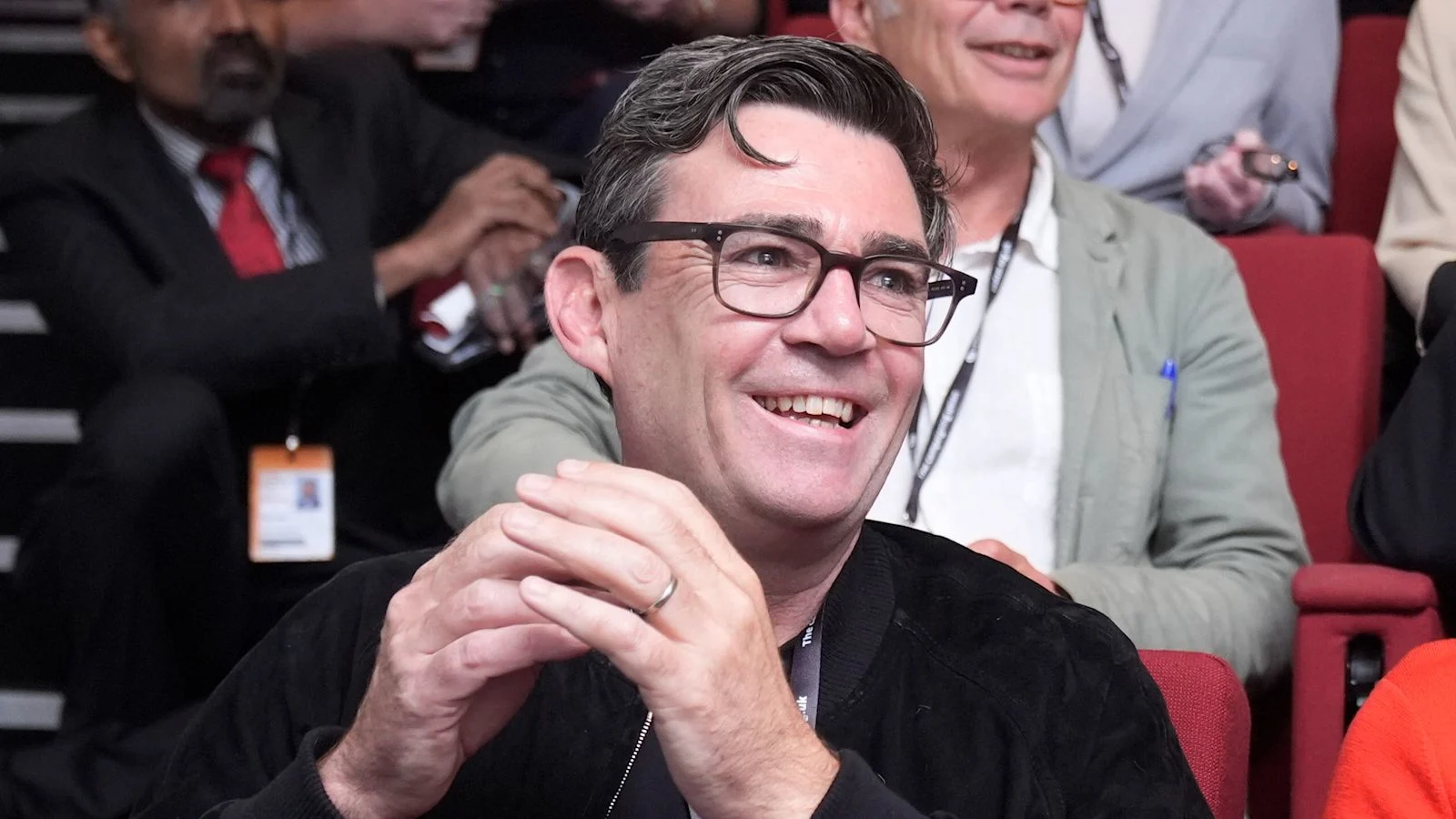
Manchester | 29 January 2026 Britain’s governing Labour Party is facing renewed internal strain after Greater Manchester Mayor Andy Burnham accused senior party figures of misleading the media during a recent parliamentary candidate selection process.
Burnham, a prominent Labour figure and former cabinet minister, said he was “deeply disappointed” by what he described as inaccurate briefings to journalists following his exclusion from consideration in a high-profile by-election contest. His remarks have reignited debate within Labour over transparency, factionalism, and decision-making under the party’s new leadership.
Speaking to local reporters on Thursday, Burnham said claims suggesting he had withdrawn voluntarily were “simply not true” and had contributed to confusion among party members and the public.
“I believe honesty matters — especially in government,” he said. “When inaccurate narratives are allowed to circulate, it damages trust not just internally, but with voters.”
Labour’s leadership has not directly addressed Burnham’s allegations but issued a brief statement reaffirming that candidate selection processes are conducted “fairly and in line with party rules.” Officials declined to comment on specific claims of media briefings.
The dispute comes at a sensitive time for Labour, which is still consolidating power after its general election victory. While the party has emphasized unity and discipline, internal disagreements have surfaced over policy priorities, local autonomy, and the influence of party headquarters.
Burnham, who retains strong grassroots support in the North of England, has often positioned himself as a voice for regional empowerment. His comments were seen by some colleagues as a warning against centralized control and opaque decision-making.
Political analysts say the episode reflects broader tensions within Labour as it transitions from opposition to government. “Managing internal expectations is always harder once you’re in power,” said one senior UK politics observer. “Figures like Burnham have national profiles and independent mandates, which can complicate party discipline.”
Several Labour backbenchers privately expressed concern that public disputes could distract from the government’s legislative agenda, which includes economic reform, public service investment, and constitutional changes. Others argued that airing concerns openly was preferable to internal resentment.
Opposition parties were quick to seize on the row. Conservative MPs accused Labour of hypocrisy, pointing to past criticism of internal divisions in rival parties. Liberal Democrats called for greater transparency in candidate selections across all major parties.
Despite the controversy, Burnham insisted he remained committed to Labour’s broader mission and denied any intention of escalating the dispute. “This is not about personal ambition,” he said. “It’s about fairness and integrity.”
Party insiders suggested that senior figures may seek to de-escalate tensions through private discussions in the coming days. However, the episode has highlighted the challenges Labour faces in maintaining cohesion while accommodating strong regional leaders.
As the government pushes ahead with its first major policy initiatives, party unity will be closely watched — both by voters and by Labour’s own members.