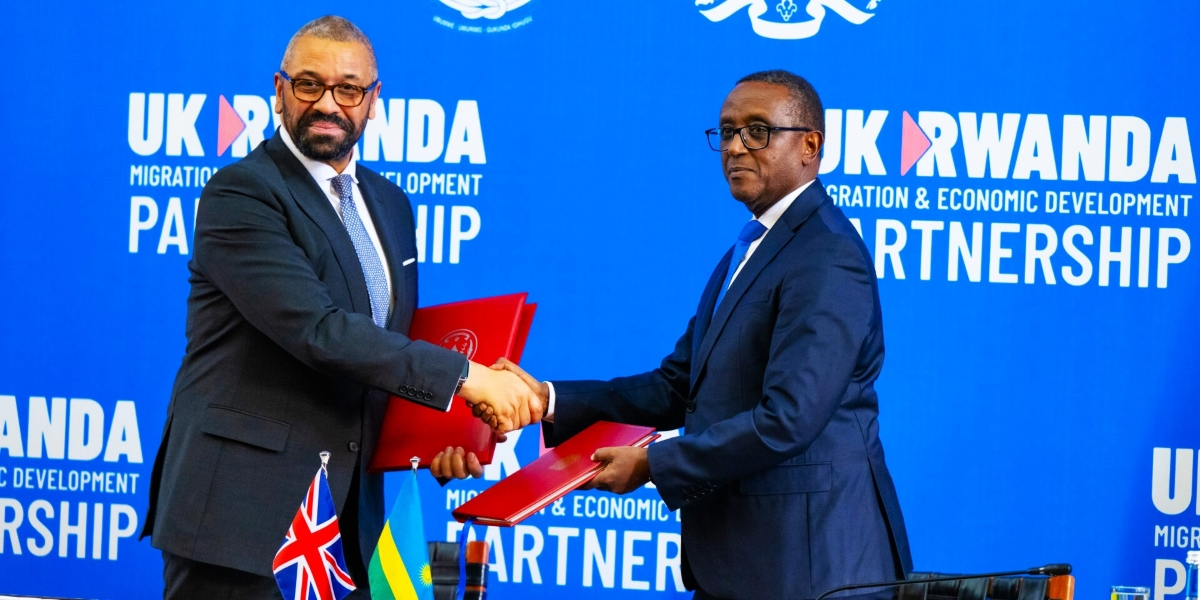
Kigali, Jan 28, 2026 Rwanda has launched arbitration proceedings against the United Kingdom over the cancellation of a controversial migration agreement, escalating a dispute that has strained relations between the two countries.
The move follows the UK government’s decision to scrap the deal shortly after coming to power, arguing that the policy was costly, ineffective, and incompatible with its approach to asylum and border management.
Under the original agreement, some asylum seekers arriving in the UK would have been relocated to Rwanda for processing and resettlement. While the plan was never fully implemented, Rwanda maintains that it invested significant resources in preparation and is now seeking compensation.
Rwandan officials say the arbitration is intended to resolve outstanding financial and contractual issues rather than reopen political debate. “We acted in good faith,” one official said, adding that the country expected commitments to be honoured.
The UK government has confirmed it is aware of the proceedings and said it will respond through the appropriate legal channels. Ministers insist that cancelling the agreement was the right decision and that any financial claims will be carefully scrutinised.
The dispute adds another layer of complexity to the UK’s efforts to reform its asylum system. The government has pledged to clear backlogs, improve decision-making, and work more closely with international partners to address the root causes of migration.
Opposition figures have criticised the arbitration as evidence of mismanagement by successive governments, while others argue it highlights the risks of outsourcing sensitive policy areas to third countries.
Legal experts say the outcome will depend on the specific terms of the agreement, including clauses related to termination and compensation. Arbitration could take months, if not longer, to resolve.
Human rights groups have renewed calls for the UK to focus on humane and sustainable solutions, warning that legal disputes distract from the real challenges facing asylum seekers.
For Rwanda, the case is also about reputation. The government has previously defended its role in the agreement, saying it was unfairly portrayed internationally.
As both sides prepare for legal proceedings, the dispute underscores the lasting consequences of contentious policy decisions — and the difficulty of untangling them once they unravel.