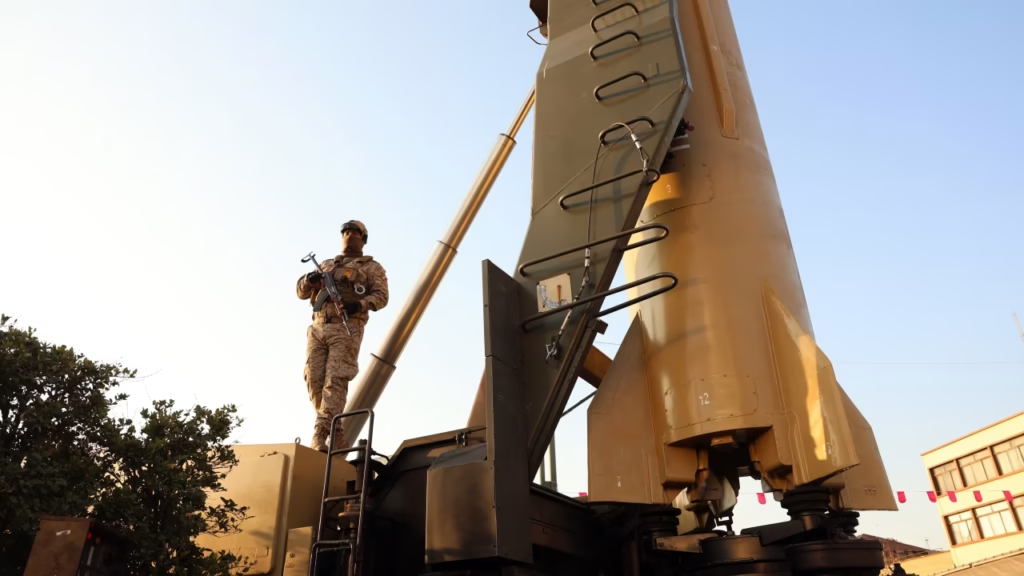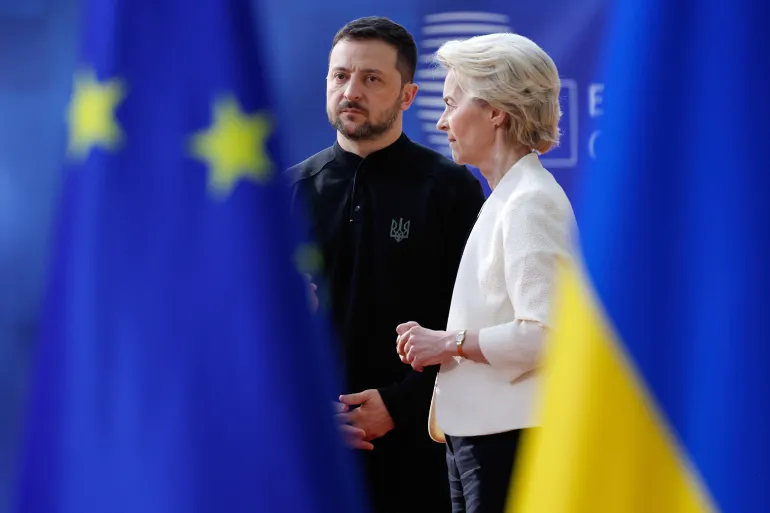
Brussels | 29 January 2026 British and European officials have issued stark warnings over what they describe as Russia’s evolving “bomb and freeze” strategy in Ukraine, as the conflict enters another winter marked by sustained attacks on civilian infrastructure.
Speaking alongside EU counterparts in Brussels, UK Foreign Secretary David Lammy said Moscow appeared to be intensifying efforts to weaken Ukrainian resilience by targeting energy facilities, heating systems, and supply routes.
“This is not just a military campaign,” Lammy said. “It is a deliberate attempt to make daily life unbearable for ordinary people.”
European leaders echoed the assessment, saying Russia’s slow territorial gains have been accompanied by increasingly destructive tactics aimed at civilian morale. Intelligence briefings shared among NATO allies suggest that while Russian advances on the battlefield have stalled, aerial and missile attacks remain frequent.
The UK reaffirmed its commitment to Ukraine, announcing additional support focused on air defense systems, energy resilience, and humanitarian aid. Officials said Britain would also continue to press allies to maintain sanctions pressure on Moscow.
The warning comes as diplomatic efforts to revive peace talks show little progress. Russian officials have reiterated demands for territorial concessions, which Kyiv has firmly rejected. Ukrainian leaders say any settlement must respect sovereignty and internationally recognized borders.
Energy security has become a central concern for European governments, particularly as winter conditions strain infrastructure across the region. UK officials said lessons learned from previous winters were being applied to help Ukraine protect critical systems.
Human rights organizations have raised alarms over the humanitarian impact of infrastructure attacks, warning of displacement, shortages, and long-term damage to civilian life. British aid agencies are preparing for increased demand in the coming months.
Moscow has denied targeting civilians and insists its actions are aimed at military objectives. Western officials reject that claim, citing repeated strikes on power stations, water facilities, and residential areas.
Analysts say the strategy reflects a broader attempt to exhaust Ukraine and its supporters rather than achieve rapid military breakthroughs. “It’s about endurance,” said one European defense expert. “Russia is betting that fatigue will weaken political support over time.”
In London, the government faces ongoing pressure to sustain public backing for Ukraine aid amid domestic economic challenges. Ministers argue that supporting Ukraine remains essential for European security and international law.
As winter deepens, officials warn that the humanitarian situation could deteriorate further unless attacks subside — a prospect few expect in the near term.