LONDON, Feb. 5, 2026 — British farmers have urged the government to proceed cautiously in negotiations with the European Union, warning that a hastily agreed post-Brexit trade reset could expose domestic agriculture to new regulatory and competitive pressures.
Industry leaders voiced concern this week as ministers explore closer cooperation with Brussels on sanitary and phytosanitary standards, veterinary agreements and border checks. The government has framed the discussions as a pragmatic step to reduce friction in trade and improve export flows.
Farmers’ groups, however, say the details matter. They argue that aligning too quickly with EU rules without sufficient safeguards could place British producers at a disadvantage or limit flexibility in areas such as biotechnology, pesticide approvals and animal health standards.
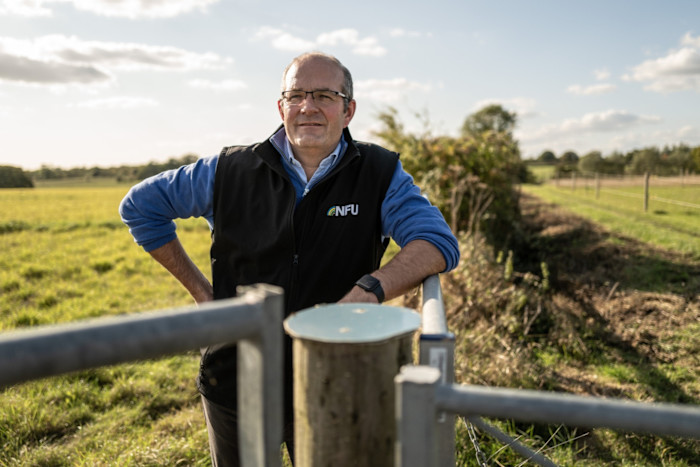
“Stability in trade is welcome, but it must not come at the expense of our competitiveness,” said a senior representative of a national farming union. “We need clarity, proper consultation and a phased implementation that protects rural livelihoods.”
Since the UK’s departure from the EU single market, exporters have faced additional paperwork, inspections and delays. Some smaller producers have struggled to maintain access to European customers. A veterinary agreement, supporters say, could significantly ease those burdens by reducing the frequency of physical checks on animal and plant products.
The government has indicated that improved cooperation could boost food exports and strengthen supply chains. Prime Minister Keir Starmer has described the talks as part of a broader effort to “reset” relations with the bloc, focusing on practical solutions rather than revisiting the Brexit debate.
But critics fear unintended consequences. If the UK commits to dynamic alignment with EU regulations, it could constrain future trade deals with other partners. Others worry about potential divergence within the UK, particularly if devolved administrations adopt differing approaches.
Rural communities are especially sensitive to changes in policy. Farming incomes have been under strain from rising input costs, including fuel, feed and fertilizers. Subsidy reforms introduced after Brexit have also reshaped the financial landscape for landowners.
Agricultural economists note that while reducing trade barriers with the EU could increase export volumes, domestic producers must remain competitive in price and quality. “Market access is only part of the equation,” said one expert. “The regulatory framework must allow innovation and adaptation.”
Environmental groups have weighed in as well, emphasizing that any agreement should uphold high standards for food safety and animal welfare. They argue that closer cooperation could support climate goals by streamlining sustainable supply chains.
In Parliament, members from rural constituencies have called for transparency in the negotiation process. Several have urged ministers to publish impact assessments before finalizing any deal.
The Department for Environment, Food and Rural Affairs said it is engaging closely with stakeholders and will ensure that British interests are protected. A spokesperson emphasized that no agreement would compromise the UK’s ability to set its own rules.
Trade between the UK and the EU remains significant, with the bloc accounting for a large share of agricultural exports. Analysts say improved relations could also have broader economic implications, potentially influencing investment and confidence.
For farmers across England, Scotland, Wales and Northern Ireland, the stakes are high. Decisions made in London and Brussels will shape the future of rural economies, food production and environmental stewardship.
As negotiations continue, agricultural leaders are pressing for a balanced approach — one that secures smoother trade while preserving autonomy and long-term resilience.