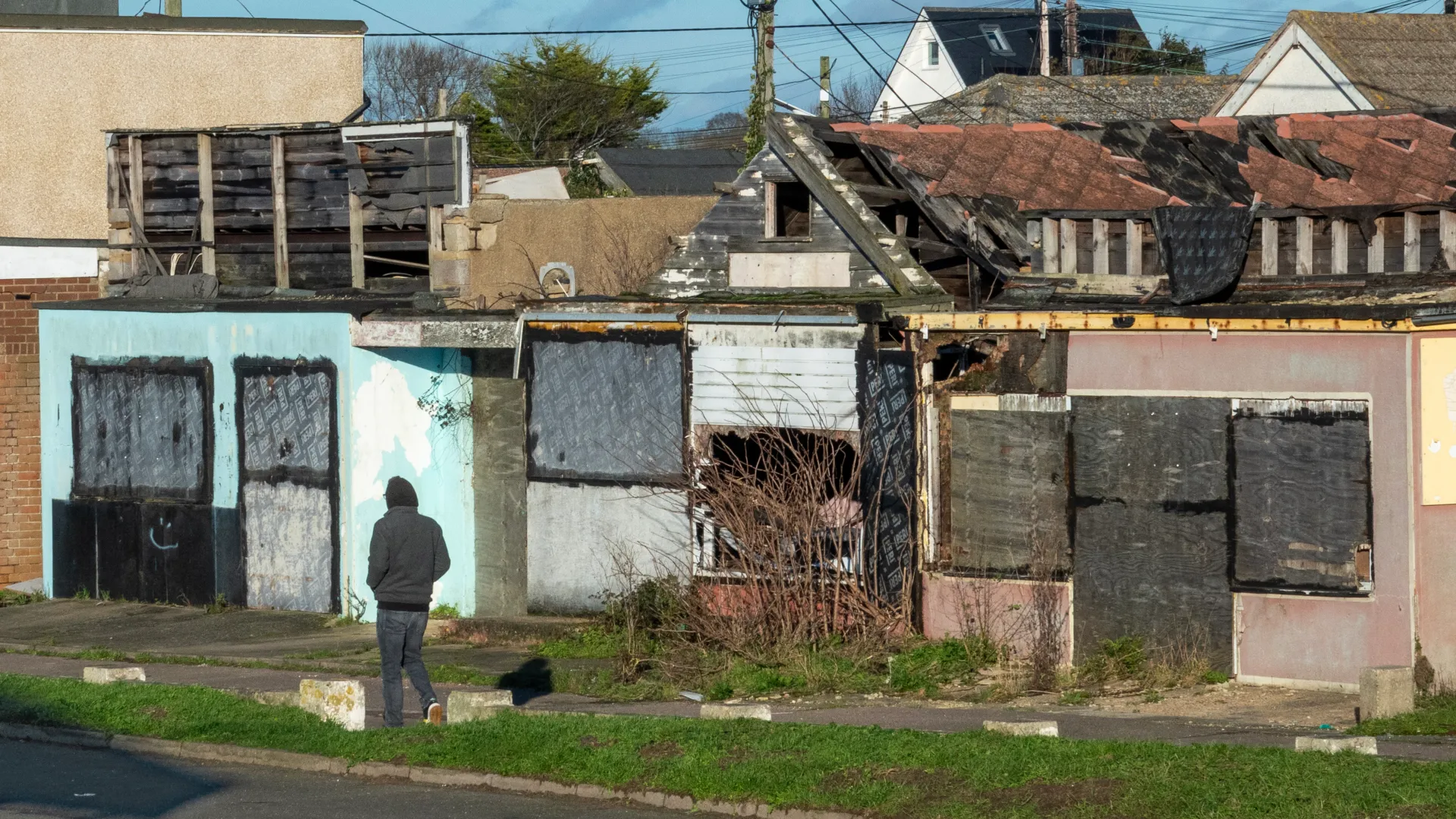
London, Jan 28, 2026 England’s most deprived communities are likely to face worsening living conditions by the next general election unless urgent action is taken, according to a government-commissioned report released on Wednesday.
The findings paint a stark picture of deepening inequality across the country, with struggling towns and neighbourhoods expected to fall further behind wealthier areas in employment, health outcomes, housing quality, and access to public services.
The report, prepared for ministers at the heart of government, concludes that existing policies are not sufficient to reverse long-term decline in hundreds of communities, particularly in parts of the North of England, the Midlands, and coastal regions.
Officials familiar with the analysis said it highlights “structural weaknesses” that cannot be addressed through short-term funding announcements alone. Instead, the report calls for sustained investment and locally tailored solutions over multiple parliamentary terms.
According to the findings, residents in deprived areas are more likely to experience insecure work, higher rates of chronic illness, and lower educational attainment. Life expectancy gaps between the richest and poorest areas are projected to widen further if current trends continue.
Housing conditions also feature prominently, with many communities facing rising rents, deteriorating social housing stock, and limited access to affordable home ownership. Local authorities in these areas are struggling to maintain basic services due to funding pressures and rising demand.
Senior figures within government acknowledged the scale of the challenge but said the report would inform a new approach to regional policy. “This is not something that can be solved overnight,” one official said. “But ignoring it would come at a much higher cost.”
The findings are politically sensitive, particularly for a government elected on promises to deliver economic renewal and social fairness. Opposition parties have seized on the report as evidence that more radical action is needed, accusing ministers of moving too slowly.
Community leaders have echoed those concerns, warning that frustration and disillusionment are growing among residents who feel left behind. “People here don’t want sympathy,” said one council leader in the North East. “They want investment, decent jobs, and a future for their children.”
The report also raises concerns about the impact of declining high streets, limited transport links, and digital exclusion, all of which contribute to economic stagnation. In many areas, the closure of local services has further eroded trust in public institutions.
Experts say reversing these trends will require a shift away from competitive bidding for short-term funding toward long-term settlements that give local leaders greater control. Some have pointed to successful regeneration projects abroad as examples of what sustained commitment can achieve.
Ministers are expected to respond formally in the coming weeks, with potential announcements tied to the spring budget and regional development plans.
As the next election approaches, the report serves as a warning that without meaningful change, the gap between England’s most prosperous and most deprived areas is likely to grow — with lasting consequences for social cohesion and political stability.