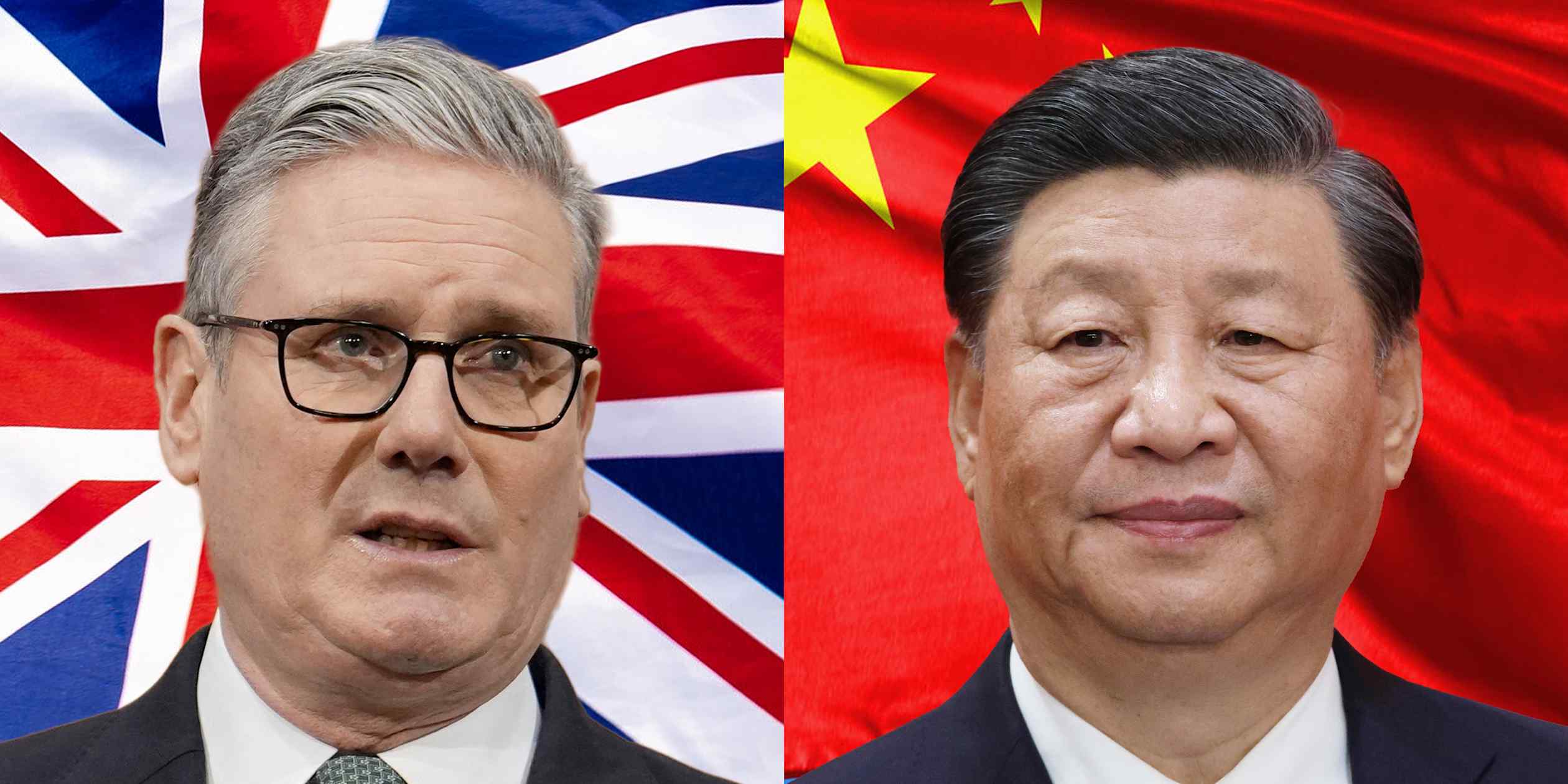
London, Jan 27, 2026 Prime Minister Keir Starmer’s visit to China underscores the UK’s evolving approach to global diplomacy, as Britain seeks to balance economic engagement with strategic caution in an increasingly complex international landscape.
The trip reflects broader questions about Britain’s role in a world marked by rising geopolitical rivalry, economic fragmentation, and shifting alliances. With traditional power structures under strain, the UK faces pressure to redefine how it engages with major global actors.
Starmer’s government has framed the visit as part of a “clear-eyed” foreign policy — one that avoids ideological confrontation while remaining firm on national interests and democratic values.
Supporters argue that engagement with China is necessary for economic growth, climate cooperation, and global stability. Critics warn that closer ties risk undermining security commitments and alienating key allies.
The visit also comes as Britain seeks to strengthen its post-Brexit global identity, pursuing trade and diplomatic relationships beyond Europe while maintaining strong transatlantic ties.
Foreign policy experts say the outcome of the visit will be judged less by headline agreements and more by whether it establishes sustainable communication channels in a volatile world.
For now, Starmer’s China trip represents a calculated step into diplomatic realism — one that acknowledges geopolitical complexity while aiming to safeguard Britain’s long-term interests.