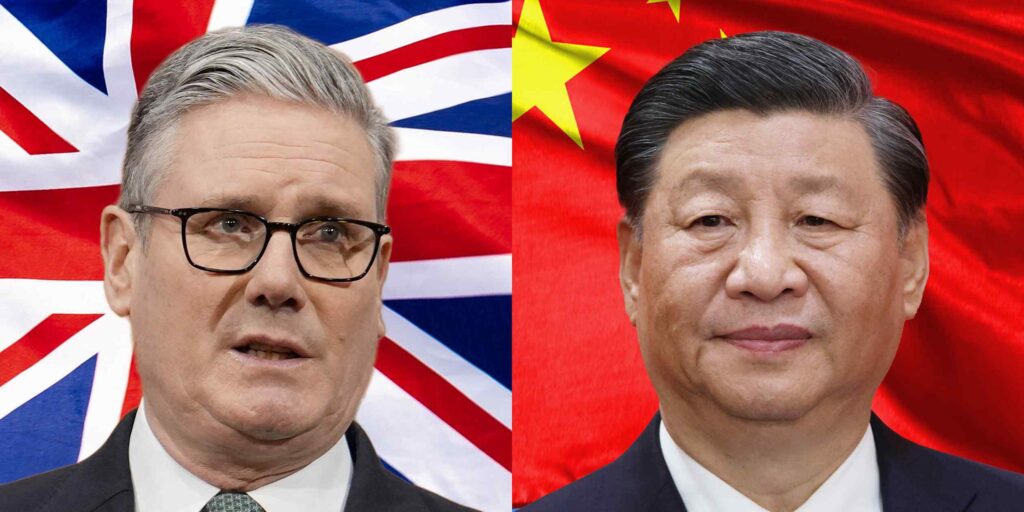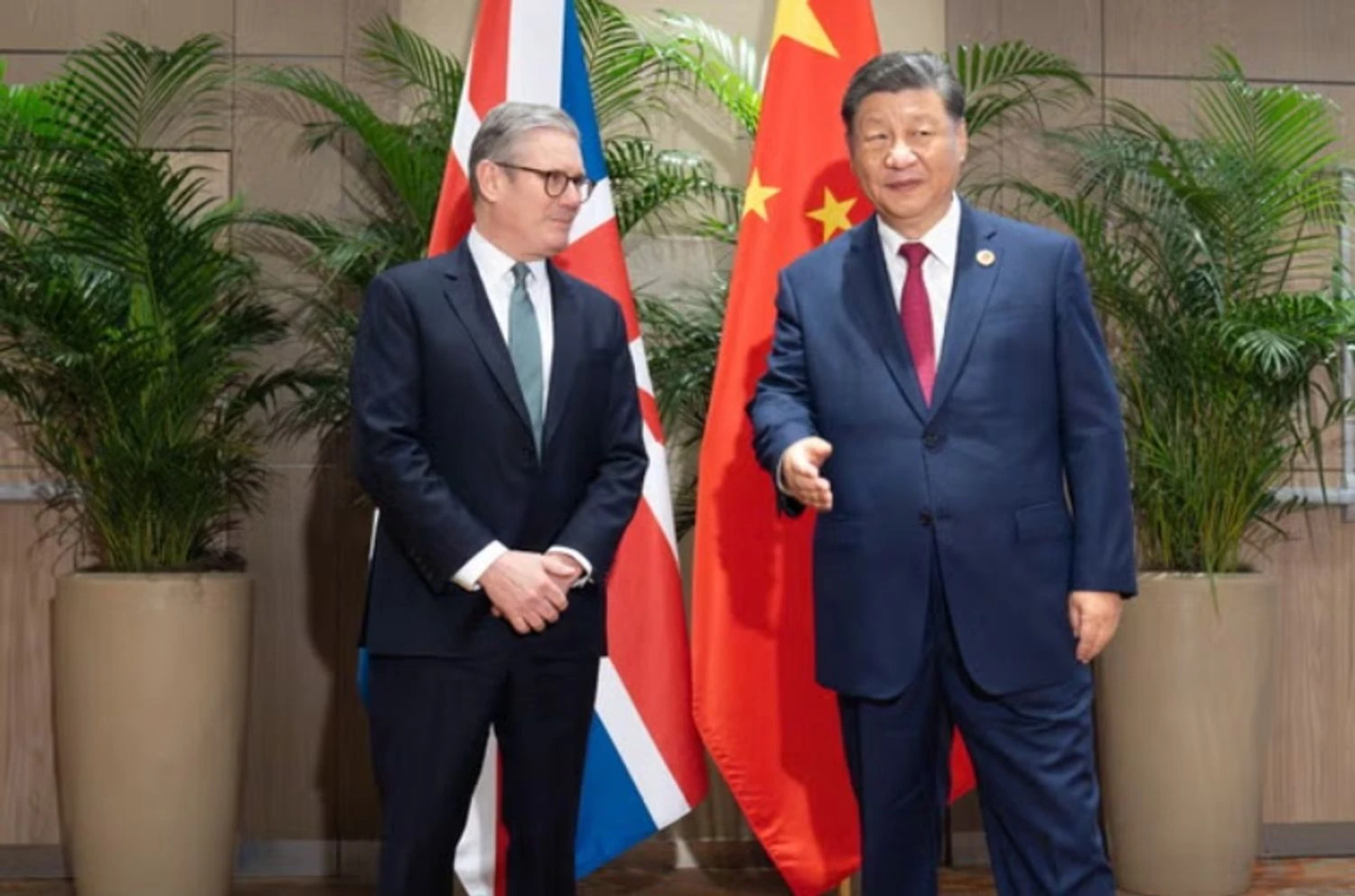
Beijing, Jan 28, 2026 Prime Minister Keir Starmer arrived in Beijing on Wednesday, beginning a closely watched diplomatic visit that signals a potential shift in how the United Kingdom engages with China amid a changing global political landscape.
The trip marks the first visit by a British prime minister to China in several years and comes at a time when Western alliances are under strain from trade disputes, security concerns, and diverging approaches toward Beijing. Starmer’s government has framed the visit as a “pragmatic reset,” balancing economic engagement with firm positions on national security and human rights.
Speaking to reporters before departing London, Starmer said the UK would pursue “a calm, serious, and strategic relationship with China,” adding that disengagement was neither realistic nor in Britain’s long-term interest.
Upon arrival, Starmer was greeted by senior Chinese officials and is scheduled to meet President Xi Jinping and Premier Li Qiang during his three-day visit. Talks are expected to cover trade, climate cooperation, global security, and the role both countries play in stabilising international markets.
UK officials say the visit reflects a broader recalibration of foreign policy under Labour, moving away from what they describe as “headline-driven diplomacy” toward sustained engagement. However, the trip has drawn criticism from opposition figures and human rights groups, who argue the government risks softening its stance on issues such as Hong Kong and the treatment of ethnic minorities.
Downing Street officials insist those concerns will be raised directly. “Engagement does not mean endorsement,” one senior official said, adding that the prime minister would speak “frankly and directly” on areas of disagreement.
Trade is expected to dominate the agenda. China remains one of the UK’s largest trading partners, despite a cooling of relations in recent years. British exporters, particularly in financial services, green technology, and education, are seeking clearer pathways back into the Chinese market.
Business leaders accompanying the delegation have welcomed the visit, saying stability and predictability in UK–China relations are essential for long-term investment decisions. At the same time, government advisers have stressed that any economic cooperation will be weighed against security considerations.
Starmer’s visit comes as the UK works to reposition itself globally following years of diplomatic turbulence. With relations with the United States evolving and European partnerships still being rebuilt, China represents both an opportunity and a challenge.
Analysts say the trip will be closely watched by Washington and Brussels, particularly for signals about how far Britain is willing to diverge from a more confrontational Western approach to Beijing.
While no major agreements are expected to be signed, officials say the success of the visit will be measured by whether it reopens lines of communication that have largely been dormant.
For Starmer, the visit is also a personal test on the world stage. It offers a chance to demonstrate that his government can navigate complex global relationships without sacrificing core principles.
As he begins talks in Beijing, the prime minister faces the delicate task of rebuilding trust while drawing clear boundaries — a balance that will shape UK foreign policy well beyond this trip.